Introduction
The oil and gas industry operates in some of the most challenging environments known to man, necessitating materials that exhibit exceptional durability, resistance to extreme temperatures, and superior mechanical properties. One such material that has garnered attention is H13 metal powder. Known for its outstanding toughness, thermal fatigue resistance, and hardness, H13 metal powder has become a critical component in various applications within the oil and gas sectors.
Understanding H13 Metal Powder
H13 is a chromium-molybdenum hot work steel, widely known for its superior thermal conductivity, wear resistance, and ability to withstand repeated heating and cooling cycles. In its powdered form, H13 becomes even more versatile, allowing for advanced manufacturing techniques such as additive manufacturing (AM) and powder metallurgy (PM). These processes are crucial in producing complex geometries and components that meet the stringent demands of the oil and gas industry.
Key Properties of H13 Metal Powder
- High Thermal Fatigue Resistance: Capable of withstanding extreme temperature fluctuations, crucial for drilling and extraction operations.
- Excellent Toughness and Hardness: Ensures durability against the mechanical stress and abrasive conditions found in oil rigs and pipelines.
- Corrosion Resistance: Its chromium content provides a degree of resistance to corrosive elements often present in oil and gas operations.
- Adaptability in Manufacturing: Suited for both traditional and advanced manufacturing techniques, including additive manufacturing.
Applications of H13 Metal Powder in the Oil and Gas Industry
1. Additive Manufacturing of Custom Components
Additive manufacturing, or 3D printing, has revolutionised component production in the oil and gas sector. H13 metal powder is extensively used to create bespoke parts such as:
- Valves: High-pressure and temperature-resistant valves.
- Pump Components: Durable impellers and casings.
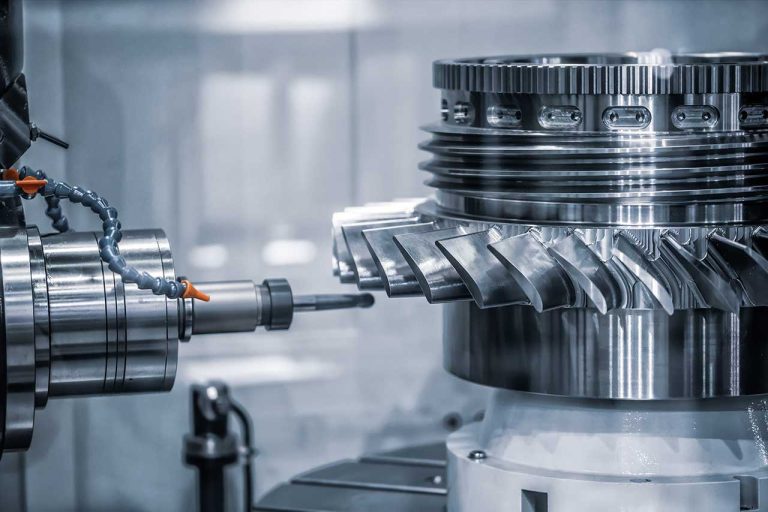
- Turbine Blades: For gas and steam turbines used in power generation, linked with oil extraction.
These components benefit from the precision and customisation possibilities afforded by additive manufacturing, reducing lead times and material wastage.
2. Tooling for Drilling Operations
H13 metal powder is crucial in manufacturing:
- Drill Bits: Enhanced wear resistance extends operational life.
- Moulds and Dies: Used in forging and casting parts needed for heavy-duty drilling equipment.
3. Pipeline Components
Pipelines require materials that resist both mechanical stress and environmental corrosion. H13 metal powder is used to produce:
- Pipeline Connectors and Fittings: Offering strong, durable connections.
- Flanges and Seals: Withstanding high-pressure environments.
4. Maintenance and Repair (On-Site Applications)
The powder form allows for:
- Laser Cladding and Surface Coating: Rejuvenating worn surfaces of critical components, thus extending their service life.
- Welding Applications: High-performance welding powders for repairing damaged machinery.
Advantages of Using H13 Metal Powder in Oil and Gas
- Enhanced Component Lifespan: Due to superior hardness and resistance properties.
- Operational Efficiency: Reduced downtime as components last longer and require less frequent replacement.
- Design Flexibility: Through additive manufacturing, complex designs are achievable, improving performance in demanding conditions.
- Cost-Effectiveness: Although initially more expensive, the longevity and reduced maintenance costs provide long-term savings.
Challenges and Considerations
Despite its numerous benefits, there are some challenges associated with using H13 metal powder in the oil and gas industry:
- Cost of Production: High-quality powder production and advanced manufacturing processes can be costly.
- Processing Expertise: Requires specialised knowledge and equipment, particularly for additive manufacturing.
- Material Handling: Powdered metals need careful handling to prevent contamination and ensure safety.
Future Prospects
The future of H13 metal powder in the oil and gas sector looks promising, particularly with the continuous advancements in additive manufacturing technologies. Innovations aimed at improving the powder’s properties, reducing production costs, and enhancing manufacturing techniques are expected to solidify its role within the industry further.
Conclusion
H13 metal powder has become an indispensable material in the oil and gas sectors, offering unmatched durability, thermal resistance, and adaptability. Its applications range from drilling equipment and pipeline components to bespoke parts created through cutting-edge additive manufacturing processes. As technology continues to evolve, H13 metal powder will undoubtedly play an even more significant role in meeting the demanding needs of the oil and gas industry.